


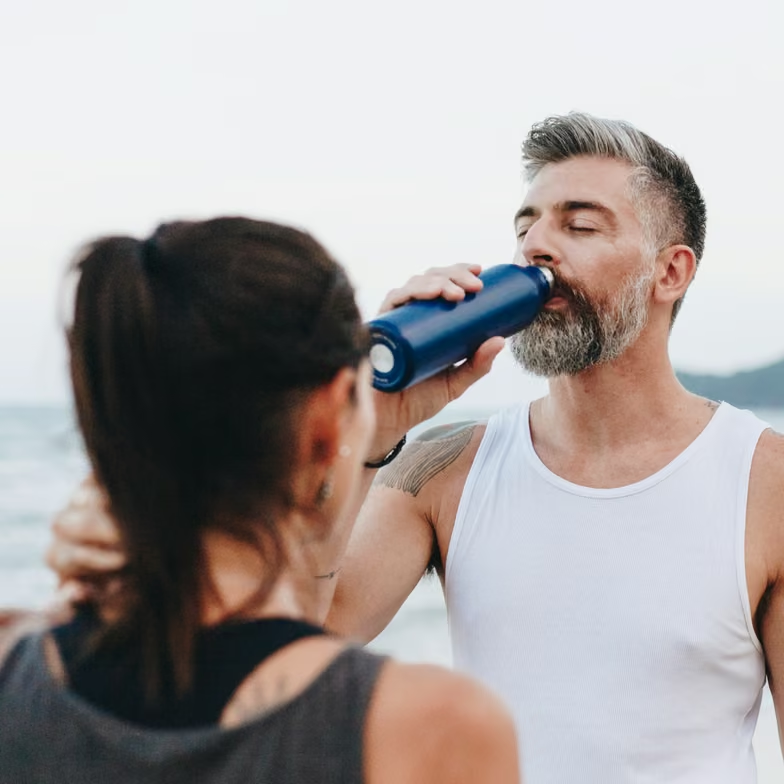

Summer Hydration: It’s More Than Drinking Water
Medically Reviewed: June 5, 2026
By: Dr. Delilah Renegar, DC – Medical Director of Functional Medicine and Hormone Health

At a Glance: Summer Hydration
- Hydration involves both fluid balance and electrolytes, not water intake alone.
- Heat, humidity, travel, alcohol, swimming, and outdoor activity can increase fluid and electrolyte losses.
- Dehydration may show up as fatigue, headaches, brain fog, dizziness, muscle cramps, or poor recovery.
- Simple habits around water, electrolytes, and heat safety can help support energy, performance, and overall summer health.
When temperatures rise, most people know they should drink more water.
But hydration is about much more than simply carrying a water bottle.
Hydration involves maintaining the right balance of fluids and electrolytes so the body can perform essential functions, including regulating temperature, supporting circulation, maintaining energy levels, and keeping muscles and nerves functioning properly.
During the summer months, that balance can become surprisingly easy to disrupt.
Between heat, humidity, outdoor activities, travel, alcohol consumption, swimming, and increased physical activity, many people become mildly dehydrated without realizing it. The result may not be obvious thirst. Instead, dehydration often shows up as fatigue, headaches, brain fog, muscle cramps, poor exercise recovery, or feeling generally unwell.
Understanding how hydration works can help you stay healthier, more energized, and safer throughout the summer.
Hydration Supports Nearly Every System in the Body
Water plays a role in nearly every biological process.
It helps regulate body temperature, transport nutrients, support circulation, lubricate joints, aid digestion, and remove waste products from the body.
Even relatively mild dehydration can affect physical and mental performance.
Many people are surprised to learn that symptoms such as fatigue, difficulty concentrating, headaches, dizziness, and reduced exercise performance can sometimes be linked to inadequate hydration.
Because these symptoms are common and non-specific, dehydration is often overlooked as a contributing factor.
Why Summer Creates Unique Hydration Challenges
Summer places additional demands on the body’s cooling systems.
As temperatures rise, the body produces sweat to help regulate internal temperature. While sweating is essential, it also increases fluid and electrolyte losses.
Physical activity, outdoor recreation, yard work, sports, and travel can further increase these losses.
Humidity can make matters even more challenging. When humidity levels are high, sweat evaporates less efficiently, making it harder for the body to cool itself. This can increase the risk of dehydration and heat-related illness.
Even activities that don’t feel particularly strenuous, such as spending a day at the beach, attending a sporting event, or walking around a new city while on vacation, can significantly increase hydration needs.
Hydration Is About More Than Water
One of the most common misconceptions about hydration is that water is the entire solution.
While water is essential, the body also relies on electrolytes to maintain proper fluid balance.
Electrolytes such as sodium, potassium, magnesium, and chloride help regulate muscle contractions, nerve signaling, fluid movement, and cardiovascular function.
When sweating heavily, the body loses both water and electrolytes.
For many people, water alone is sufficient for routine daily hydration. However, prolonged outdoor activity, intense exercise, excessive sweating, or extended time in the heat may increase the need for electrolyte replacement as well.
This is one reason some people continue feeling fatigued, crampy, or sluggish despite drinking large amounts of water.
When Dehydration Doesn’t Feel Like Thirst
Thirst is an important signal, but it is not always the first sign of dehydration.
In many cases, symptoms appear before significant thirst develops.
Common signs of dehydration may include:
- Fatigue or low energy
- Headaches
- Dizziness or lightheadedness
- Muscle cramps
- Brain fog or difficulty concentrating
- Dry mouth
- Dark-colored urine
- Reduced exercise performance
These symptoms can overlap with many other health concerns, making hydration status an important consideration when evaluating how you feel during the summer months.
Water Safety Matters Too
Hydration is only one aspect of staying healthy around water.
Summer often brings increased exposure to pools, lakes, rivers, beaches, and other recreational water environments.
While these activities offer tremendous physical and mental health benefits, they also introduce risks that are often overlooked.
Swimming, boating, paddleboarding, and water sports can lead to significant fluid losses through sun exposure and physical activity. At the same time, being surrounded by water can create the illusion that hydration is not necessary.
It is also important to remain mindful of water safety practices, including supervising children, staying aware of currents and weather conditions, and avoiding alcohol impairment during water activities.
Small Habits Can Make a Big Difference
Maintaining hydration does not require perfection.
Simple habits often provide the greatest benefit:
- Begin the day hydrated rather than trying to catch up later.
- Carry water when spending time outdoors.
- Increase fluid intake during travel.
- Consider electrolyte replacement during prolonged exercise or heavy sweating.
- Limit excessive alcohol consumption in hot weather.
- Pay attention to early signs of dehydration rather than waiting until symptoms become severe.
Consistency matters more than any single hydration strategy.
Prevention Is Easier Than Recovery
Many health concerns become more difficult to address once symptoms appear.
Hydration is no exception.
By the time significant fatigue, headaches, dizziness, or heat-related symptoms develop, the body is already working harder to maintain balance.
Taking a proactive approach to hydration can help support energy, physical performance, cognitive function, and overall well-being throughout the summer months.
At Aligned Modern Health, we believe preventive healthcare begins with understanding how everyday habits influence long-term health. While hydration may seem simple, it plays a foundational role in supporting the body’s ability to function at its best—whether you’re spending the day at the beach, hiking a trail, traveling with family, or simply enjoying a warm summer afternoon.

Medical Director of Functional Medicine and Hormone Health
Schedule an Appointment
Fill out the form below and our team will get back to you as soon as possible. For immediate assistance, please call 773-598-4387.